
TLDR
Electric toothbrushes are easier to use than manual ones, gentler on your gums, and better at removing plaque. Simply add your toothpaste, brush for two minutes, and rinse. If you have questions about your at-home oral hygiene routine, our dentists at Elite Dental in Wheaton, MD, provide personalized recommendations.
Do you have an unused electric toothbrush simply because nobody told you how to actually use it? You’re not alone, and the good news is that learning to use an electric toothbrush is super easy. Electric toothbrushes give you cleaner, healthier teeth with less effort than a manual toothbrush.
You can start enjoying the benefits of one with guidance from our Wheaton dentists, Dr. Walker, Dr. McCall, and Dr. Callahan, as they walk you through everything you need to know.
How Does an Electric Toothbrush Work?
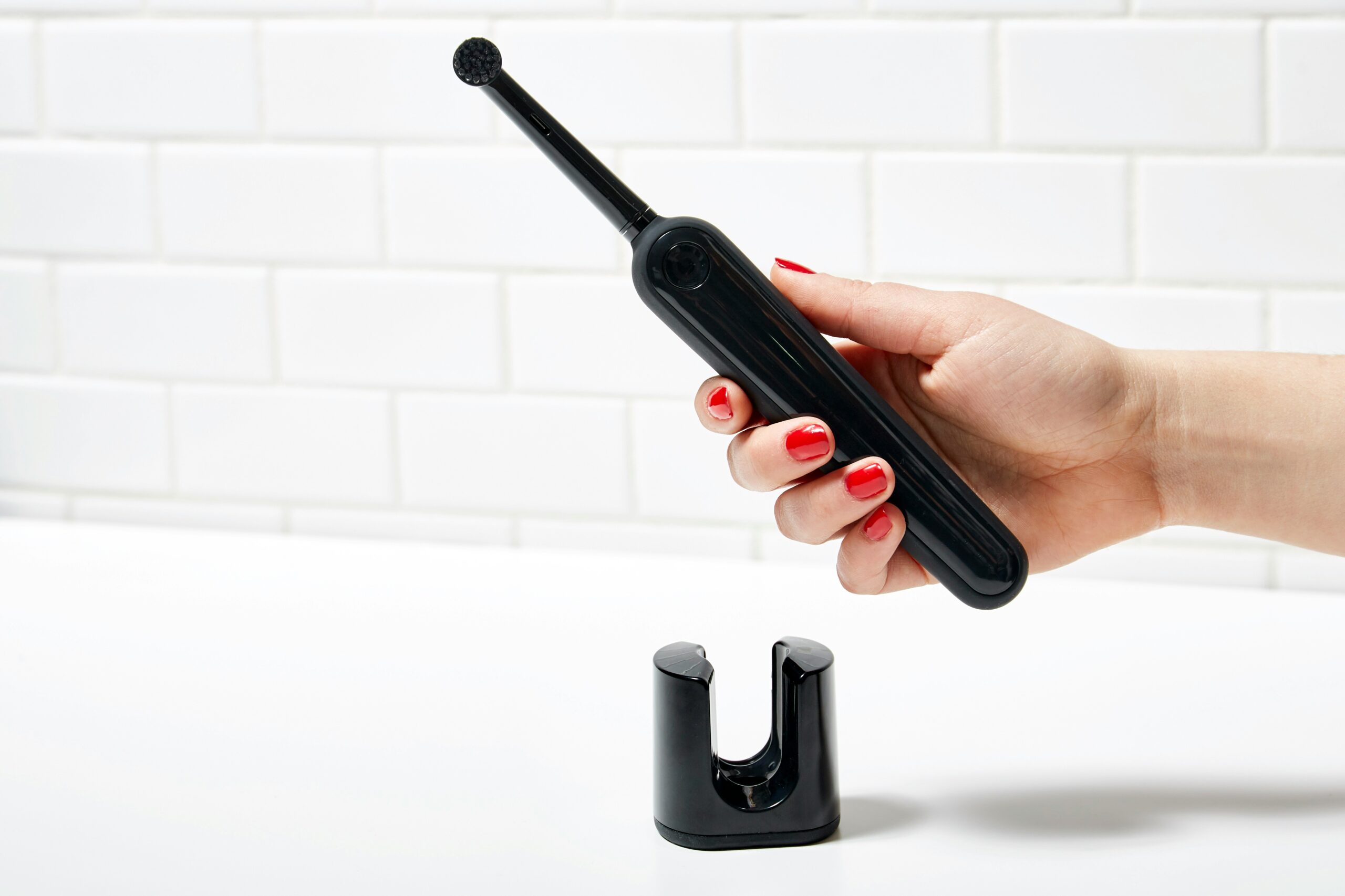
An electric toothbrush consists of a small motor, a rechargeable or battery-powered power source, and a replaceable brush head. The motor moves the brush head through different motions, including rotation, oscillation, sonic vibration, and ultrasonic vibration. These rapid movements create thousands of brush strokes per minute—far more than a manual toothbrush can.
How Should You Use Your Electric Toothbrush?
Once you understand the right technique, using an electric toothbrush is simple. Here’s how to achieve the best results.
Preparation
Before you begin, make sure your electric toothbrush is charged. If the battery is low, recharge it before brushing.
Handling and Grip
As with a manual toothbrush, hold your electric toothbrush by the handle at a 45-degree angle to your gum line. Apply a pea-sized amount of toothpaste and turn it on. Slowly move the brush head from tooth to tooth, stopping briefly on each surface. Be sure to brush both sides of each tooth, including the front, back, and chewing surfaces, paying special attention to hard-to-reach places.
Is It Good to Use Pressure With an Electric Toothbrush?
Avoid pressing too hard. Most of the work comes from the brush head, so let it move gently over your teeth. Applying too much pressure can cause gum irritation and eventually erode your enamel. Additionally, many electric toothbrushes have pressure sensors that let you know if you’re brushing too vigorously.
Timing
Our dentists in Wheaton recommend brushing your teeth for two minutes, twice a day. If your toothbrush has a built-in timer, use it to help you brush for the full two minutes.
How Should You Clean Your Electric Toothbrush?
After each use, properly rinse the brush head with running water to remove debris and toothpaste. Keep your electric toothbrush upright in a dry, open area so the brush head can air-dry between uses.
What Mistakes Should You Avoid When Using an Electric Toothbrush?
A few simple mistakes can affect your results. Avoid:
- Brushing too hard
- Skipping hard-to-reach areas
- Focusing only on your front teeth
- Brushing for less than two minutes
- Storing your toothbrush improperly
FAQs
Is an Electric Toothbrush Better Than a Manual Toothbrush?
Yes. Electric toothbrushes remove more plaque than manual toothbrushes because of their rapid brush movements. They can also help reduce the risk of brushing too hard, making them gentler on your gums.
Can You Use an Electric Toothbrush with Braces?
Yes. If you have braces, a sonic electric toothbrush is often a particularly effective choice. Braces create extra surfaces where plaque can build up. Sonic vibrations help dislodge plaque and bacteria from around brackets and wires.
How Often Should You Change Your Electric Toothbrush Head?
Replace your electric toothbrush head every three to four months. If you’ve been sick, replace it as soon as you recover to avoid reintroducing bacteria into your mouth.
Do You Wet an Electric Toothbrush Before Brushing?
Wetting your electric toothbrush before brushing is optional. If you wet it, put the toothbrush in your mouth before turning it on to avoid splattering toothpaste and water.
Keep Your Smile Healthy with the Right Home Care
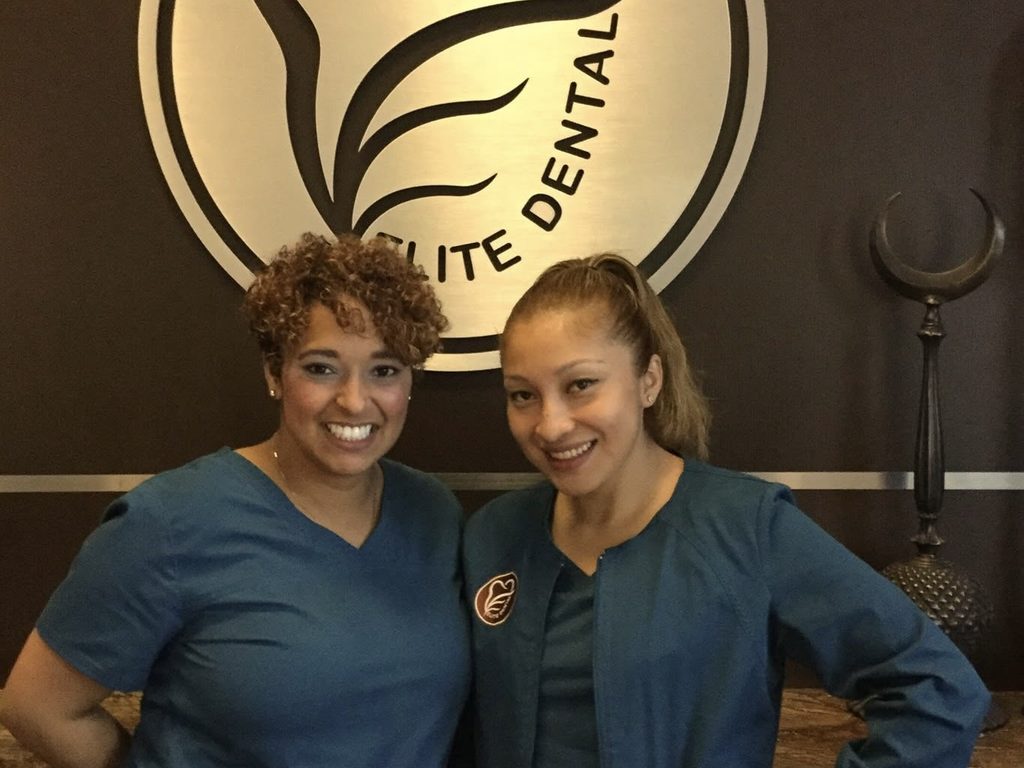
Using an electric toothbrush correctly is just one part of a healthy at-home oral care routine. Our dedicated dental team in Wheaton, near Silver Spring, MD, helps patients choose the right oral hygiene practices to keep their teeth and gums healthy.
Are you ready to improve your smile? Schedule an appointment today and let us help you create an oral care routine that works for you.
Key Takeaways
- Use your electric toothbrush gently at a 45-degree angle and brush for two minutes, twice a day.
- Replace your toothbrush head every three to four months and clean it regularly to keep it working effectively.
- Dr. Walker, Dr. McCall, and Dr. Callahan at Elite Dental in Wheaton, MD, help patients build healthy at-home oral care routines with personalized recommendations.
Sources
- https://elitedentaldmv.com/
- https://health.clevelandclinic.org/should-i-be-using-an-electric-toothbrush
- https://www.healthline.com/health/dental-and-oral-health/how-to-brush-your-teeth
- https://www.mayoclinic.org/healthy-lifestyle/adult-health/expert-answers/brushing-your-teeth/faq-20058193
- https://www.healthline.com/health/dental-and-oral-health/electric-toothbrush-vs-manual
- https://www.colgate.com/en-ph/oral-health/selecting-dental-products/electric-toothbrush-for-braces
- https://shop.colgate.com/blogs/tooth-brushing-tips/how-often-should-you-replace-electric-toothbrush-head