
TLDR
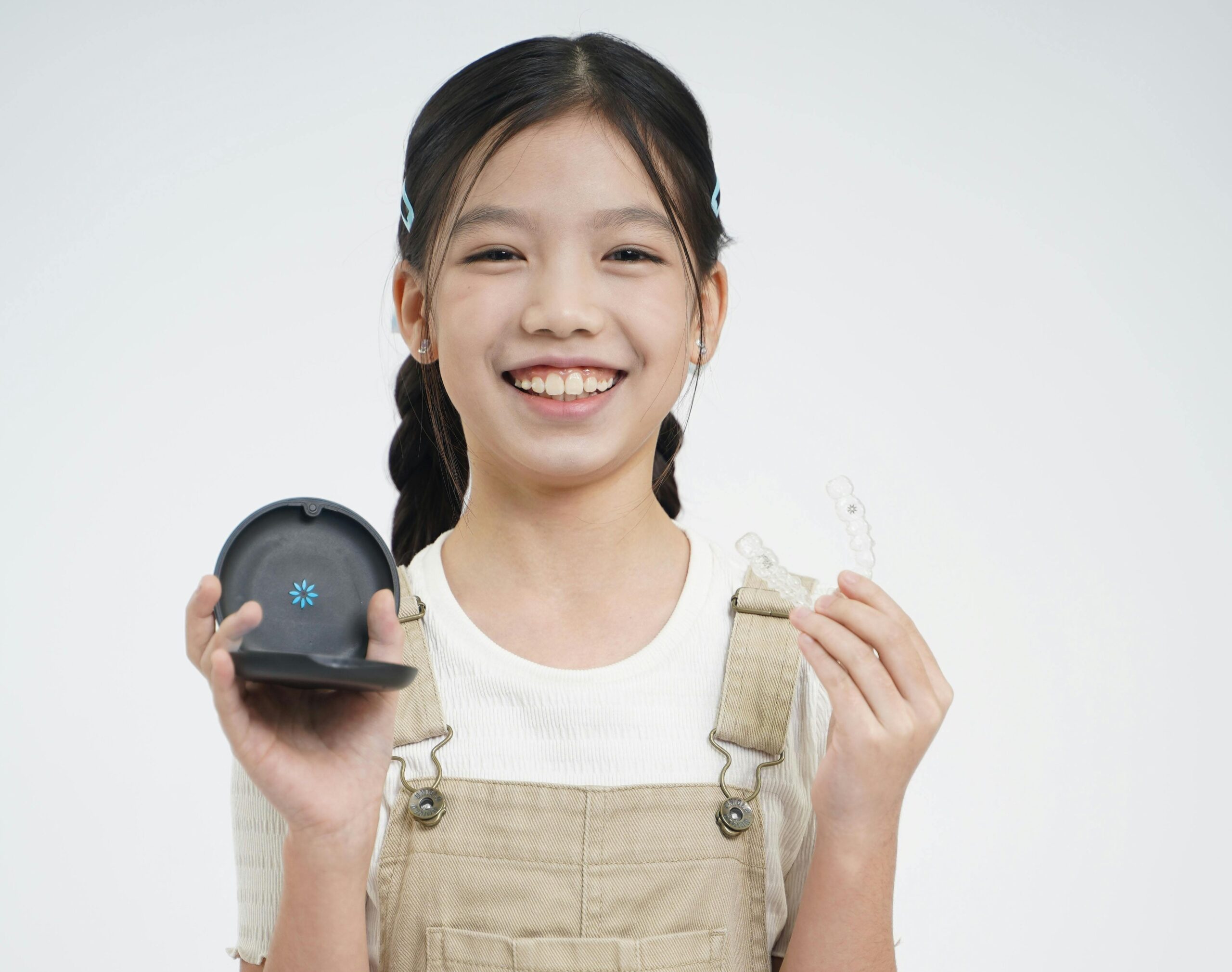
Invisalign can be a great option for children, especially when started at the right time and customized to their growth stage. Treatments like Invisalign First help guide jaw development and create space for permanent teeth, while Invisalign Teen addresses alignment once all adult teeth are in. The best way to know if clear aligners are right for your child is to schedule an orthodontic evaluation at Elite Dental Center in Wheaton, MD.
February is National Children’s Dental Health Month, a time dedicated to helping families build strong, healthy smiles that last a lifetime. At Elite Dental Center, we love using this month as a reminder that children’s oral health is about more than just brushing and flossing. It’s also about guiding proper growth and development.
As a trusted provider of Invisalign for kids, teens, and adults in Wheaton, Glenmont, and Forrest Glen, MD, one question we hear often from parents is, “Is Invisalign good for my child?” Clear aligners are popular with teens and adults, but what about younger children? Let’s break it down so you can make an informed, confident decision for your child’s growing smile.
What “Invisalign for Kids” Actually Means
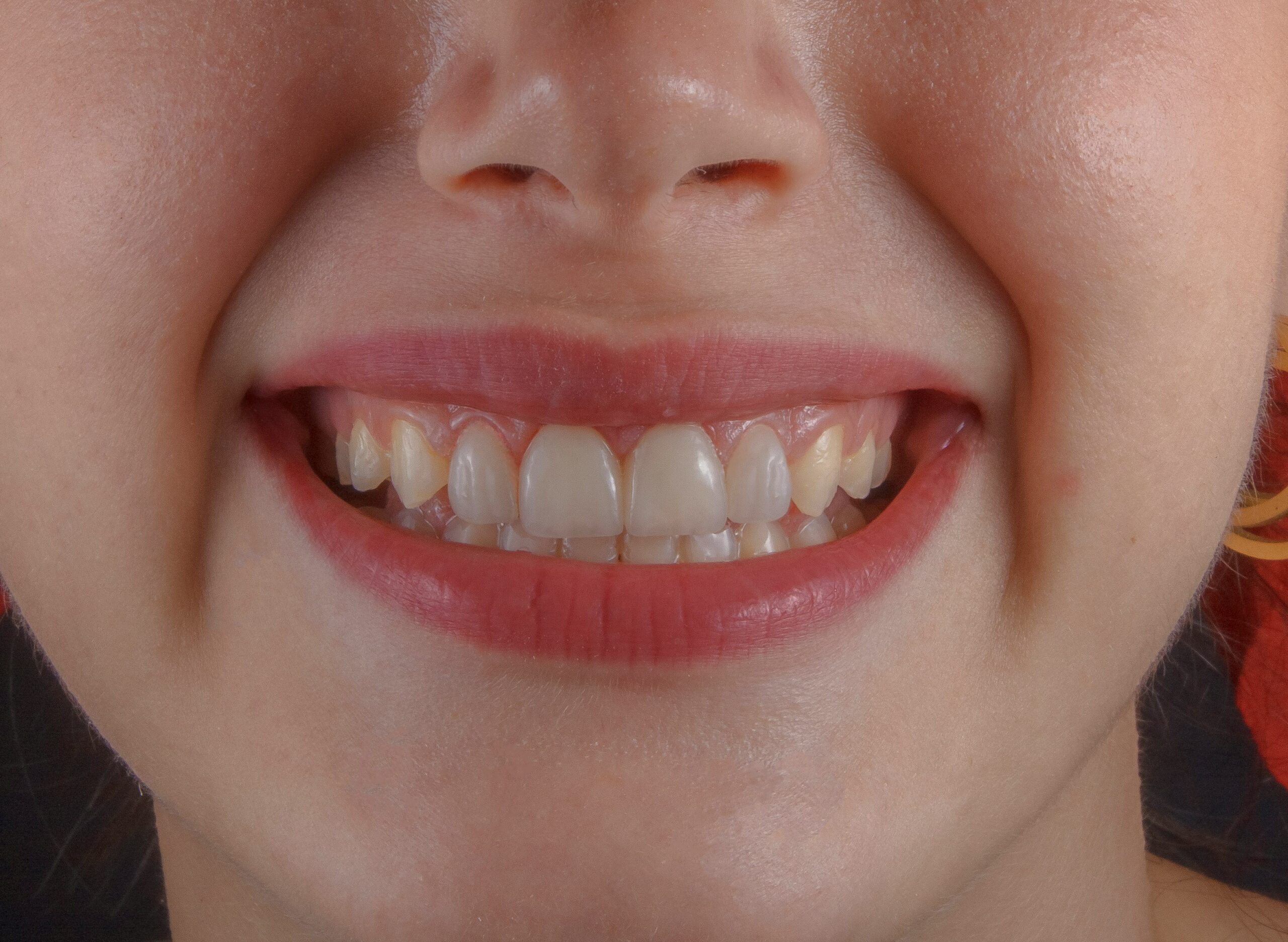
When Dr. Callahan, our trusted orthodontist in Wheaton, MD, recommends Invisalign for younger children, many parents assume it’s the same treatment adults receive. However, it’s important to understand that “Invisalign for kids” encompasses a couple of different approaches. The most common is Invisalign First (Phase 1 orthodontic treatment), designed for younger children, typically ages 6–10, who still have a mix of baby and permanent teeth. This early intervention treatment focuses on:
- Guiding jaw growth to prevent future crowding
- Making space for erupting permanent teeth and
- Correcting developing bite issues
Invisalign First isn’t always about straightening every tooth immediately. It’s about building the right foundation early so that if Phase 2 treatment is needed later, it will be significantly shorter and simpler.
Invisalign for Kids vs. Teens
After Phase 1, some children may need additional treatment in their early teens once all permanent teeth are in, and that’s where Invisalign Teen comes in handy. This Phase 2 orthodontic treatment is similar to adult Invisalign but includes features designed for growing patients, such as compliance indicators to help track wear time.
The key difference? Treatment is customized based on age, growth stage, and dental development, not just the appearance of crooked teeth.
When Should My Child Be Evaluated?
The American Association of Orthodontists recommends that children have their first orthodontic evaluation by age seven. At this stage, enough permanent teeth have usually erupted for an orthodontist to identify and correct subtle problems with jaw growth and emerging teeth while the bone is still pliable.
While age seven is the standard, some children benefit from an earlier visit. Keep an eye out for:
- Early or late loss of baby teeth
- Difficulty chewing or biting
- Mouth breathing
- Thumb sucking or other oral habits
- Crowded, misplaced, or blocked-out teeth
- Clicking or shifting jaws
- Biting the cheek or the roof of the mouth
- Teeth that meet abnormally or not at all
- Facial imbalance
If you notice any of these, please schedule a consultation with us. Early detection and intervention will not only help prevent more severe issues but also help you avoid more invasive or costly treatments down the road.
What Problems Can Clear Aligners Help with in Children?
Invisalign can help children with:
- Mild to moderate crowding
- Spacing issues
- Narrow dental arches
- Crossbites
- Mild overbites or underbites
When Invisalign Might NOT Be the Best Choice
Invisalign clear aligners are wonderful in many situations, but they aren’t the perfect fit for every child. Our orthodontist may recommend alternative options if we encounter the following:
- Compliance Risk: Invisalign must be worn 20–22 hours per day. If your child frequently forgets or misplaces their aligners, treatment results will stall.
- Complex Bite or Growth Issues: More severe jaw discrepancies or complex tooth rotations may respond more predictably to traditional braces or specialized orthodontic appliances.
- Oral Hygiene & Cavity Risks: Because aligners sit flush against the teeth, they can trap sugar or acid and increase the risk of cavities if a child isn’t diligent about brushing after meals. If your child is at high risk of cavities, we may discuss whether fixed braces might be the best option for their smile.
Transform Your Child’s Smile This February with Invisalign in Wheaton, MD
National Children’s Dental Health Month is more than just a reminder to brush and floss. It’s an opportunity to take proactive steps toward your child’s long-term oral health.
Ready to straighten your child’s teeth and give them a lifetime of happy, healthy, and beautiful smiles? Book your child’s appointment today, and let us transform their smile and oral health with personalized Invisalign treatment in Wheaton, MD.
Key Takeaways
- Invisalign for kids often refers to ‘Invisalign First,’ which focuses on guiding jaw growth and preventing future crowding in children ages 6–10.
- The American Association of Orthodontists recommends an orthodontic evaluation by age seven to detect developing bite or growth issues early.
- Clear aligners can correct mild to moderate crowding, spacing, crossbites, and certain overbites or underbites in children.
- Invisalign requires strong compliance (20–22 hours per day), making responsibility and daily habits important factors in treatment success.
- Some complex bite or jaw issues may respond better to traditional braces or specialized orthodontic appliances.
- A personalized orthodontic consultation with Dr. Walker, Dr. McCall, or Dr. Callahan at Elite Dental Center in Wheaton, MD, is the most reliable way to determine whether Invisalign or braces is best for your child’s smile.